Why Anchor Bolt Planning Matters for Post-Frame Buildings
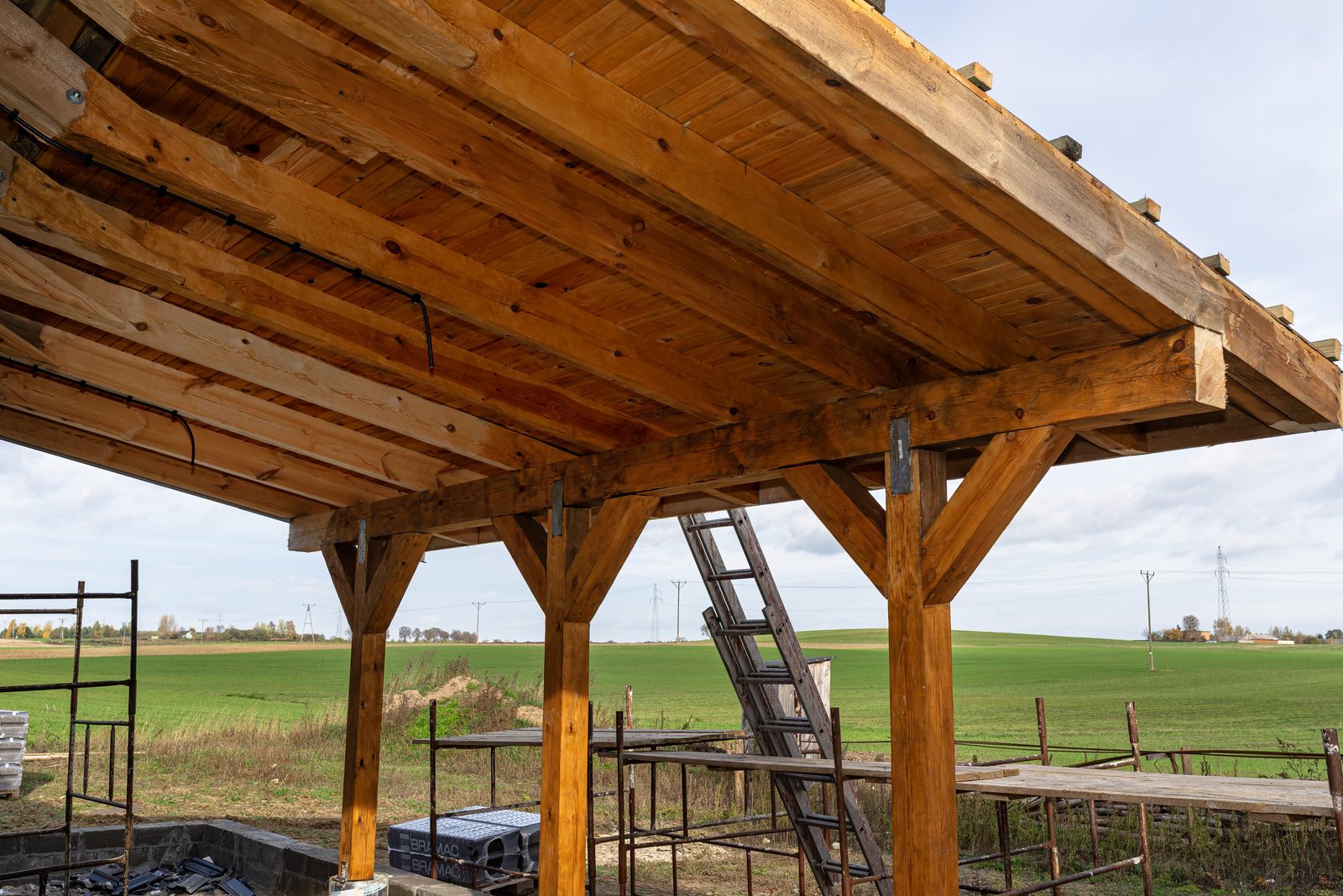
Post-frame construction relies on large columns (typically 6x6 or laminated) that transfer roof and wind loads directly to the foundation. The anchor bolts connecting those columns to the concrete are the critical link in the load path.
Unlike stick-built homes where the bottom plate sits on a continuous footing, post-frame buildings concentrate massive loads at each column location. A single misplaced or undersized anchor bolt can compromise the entire structure.
Anchor Bolt Types for Post-Frame
- J-bolts — The most common type. Bent into a J shape and embedded in wet concrete. Economical but can pull out under extreme uplift loads.
- L-bolts — Similar to J-bolts but with a 90-degree bend. Slightly better pullout resistance.
- Wedge anchors — Drilled and set after the concrete cures. Useful for retrofit but not ideal for new construction.
- Simpson Strong-Tie column bases — Engineered connectors that bolt to the slab and wrap the column. Highest capacity and easiest to adjust.
When to Use Engineered Connectors
If your building is in a high-wind zone (110+ mph design speed), has clear spans over 40 feet, or supports a mezzanine or living space, engineered connectors like Simpson CB or ABU series are worth the added cost.
Spacing and Layout Rules
Standard anchor bolt spacing for post-frame buildings:
- Column anchors — Minimum two bolts per column, spaced per engineer''s plan. Typical spacing is 3.5 inches on center for a 6x6 column.
- Girt line anchors — If your design uses a concrete knee wall, anchor bolts along the girt line are typically 48 inches on center.
- Door jamb anchors — Overhead door jambs need additional anchors within 12 inches of each side of the opening.
Embedment Depth
Embedment depth is how far the bolt extends into the concrete:
- Minimum embedment — 7 bolt diameters (e.g., 4.375 inches for a 5/8-inch bolt)
- Recommended embedment — 10–12 bolt diameters for uplift resistance
- Code requirement — Check IBC Section 1911 and your local amendments
The Layout Process
- Start with the engineered column layout drawing
- Mark every column center on the form boards
- Use a template jig to position bolts precisely around each column center
- Double-check diagonal measurements to verify square
- Set bolts to the correct height above finished slab (typically 2.5–3 inches of thread exposure)
- Wire bolts to rebar or stakes so they don''t shift during the pour
Common Anchor Bolt Mistakes
- Bolts too close to the slab edge — Minimum edge distance is typically 7 bolt diameters. Closer than that and the concrete can crack under load.
- Wrong bolt diameter — Using 1/2-inch bolts when the engineer specified 5/8-inch or 3/4-inch. Always match the plans.
- Bolts shifted during pour — Vibration from the concrete truck and screeding can move bolts. Check positions immediately after the pour while the concrete is still workable.
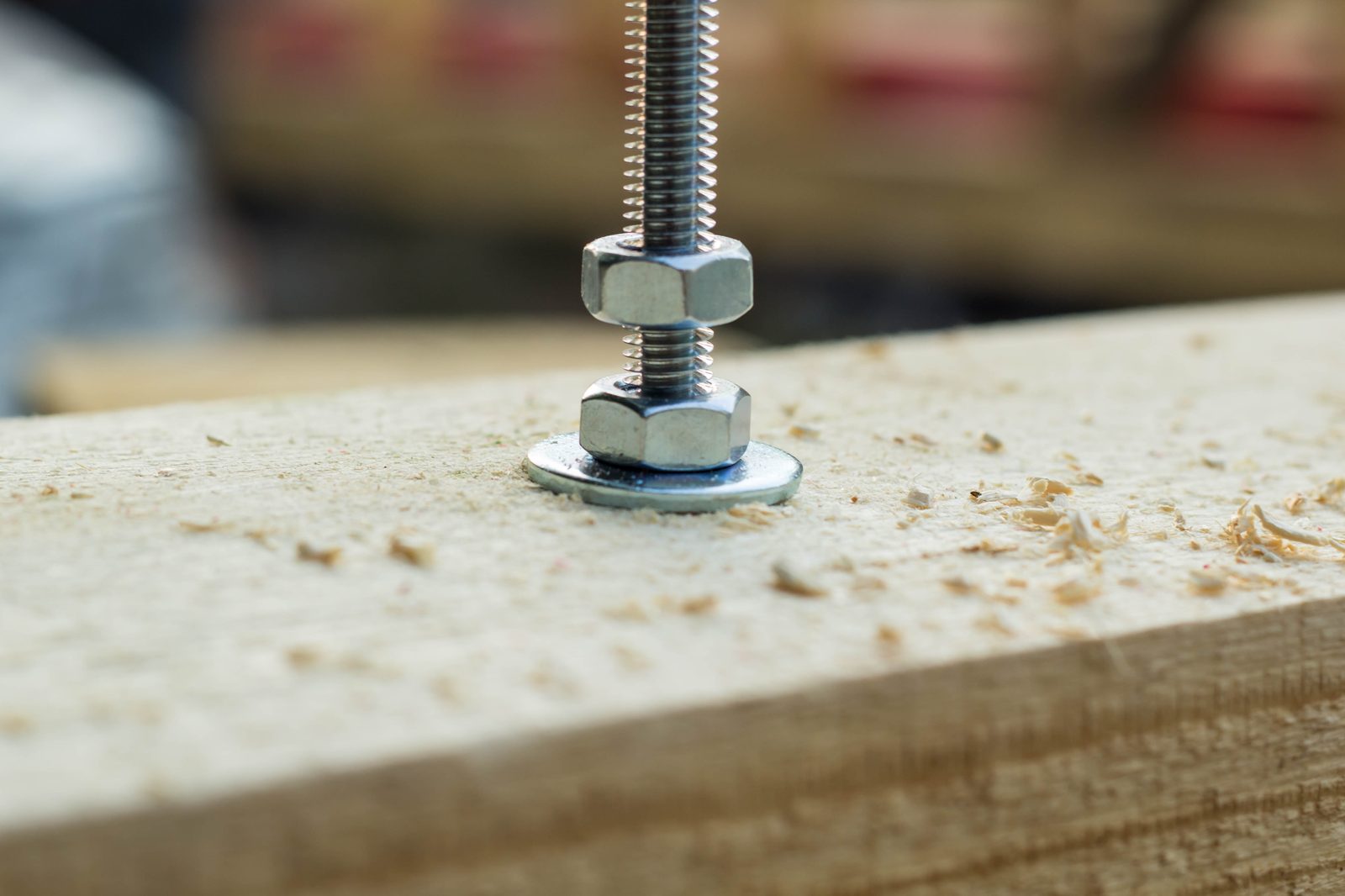
- Insufficient thread exposure — If the nut can''t fully engage, the connection has zero value. Plan for washer + nut + 1/4 inch minimum above the nut.
- No template jig — Eyeballing bolt positions leads to columns that don''t fit. Build a plywood template that matches your column dimensions exactly.
Pre-Pour Anchor Bolt Checklist
- Engineered drawing reviewed with bolt sizes and locations
- Template jigs built for each column size
- Bolt embedment depth verified against specs
- Edge distances checked at all slab edges and openings
- Bolts wired securely to rebar or driven stakes
- Thread exposure height confirmed (washer + nut + 1/4 in.)
- Overhead door jamb locations marked with extra anchors
- Final position check scheduled for immediately after pour
Bottom line: Anchor bolts are cheap. Moving them after the concrete cures is not. Spend the time on layout and jigs before the pour, verify positions during the pour, and you''ll never have to core-drill a correction.
Anchor bolt layout is the kind of detail a design review exists to catch — get your plans checked against real embedment and spacing requirements before the pour.