There are three framing styles used for barndominiums in Canada: post-frame (pole-barn style, wood posts), stick-frame (conventional 2x4/2x6 wood framing), and steel-frame (red iron or light-gauge metal). Post-frame is the most common and least expensive shell option, typically $40–$60 per square foot for the shell alone. Stick-frame runs $60–$90/sqft for the shell, and steel-frame lands in between at $50–$80/sqft. The right choice depends on the clear spans you need, your climate, how you plan to insulate, and whether your lender and municipality are set up to finance and permit it.
The Three Framing Styles at a Glance
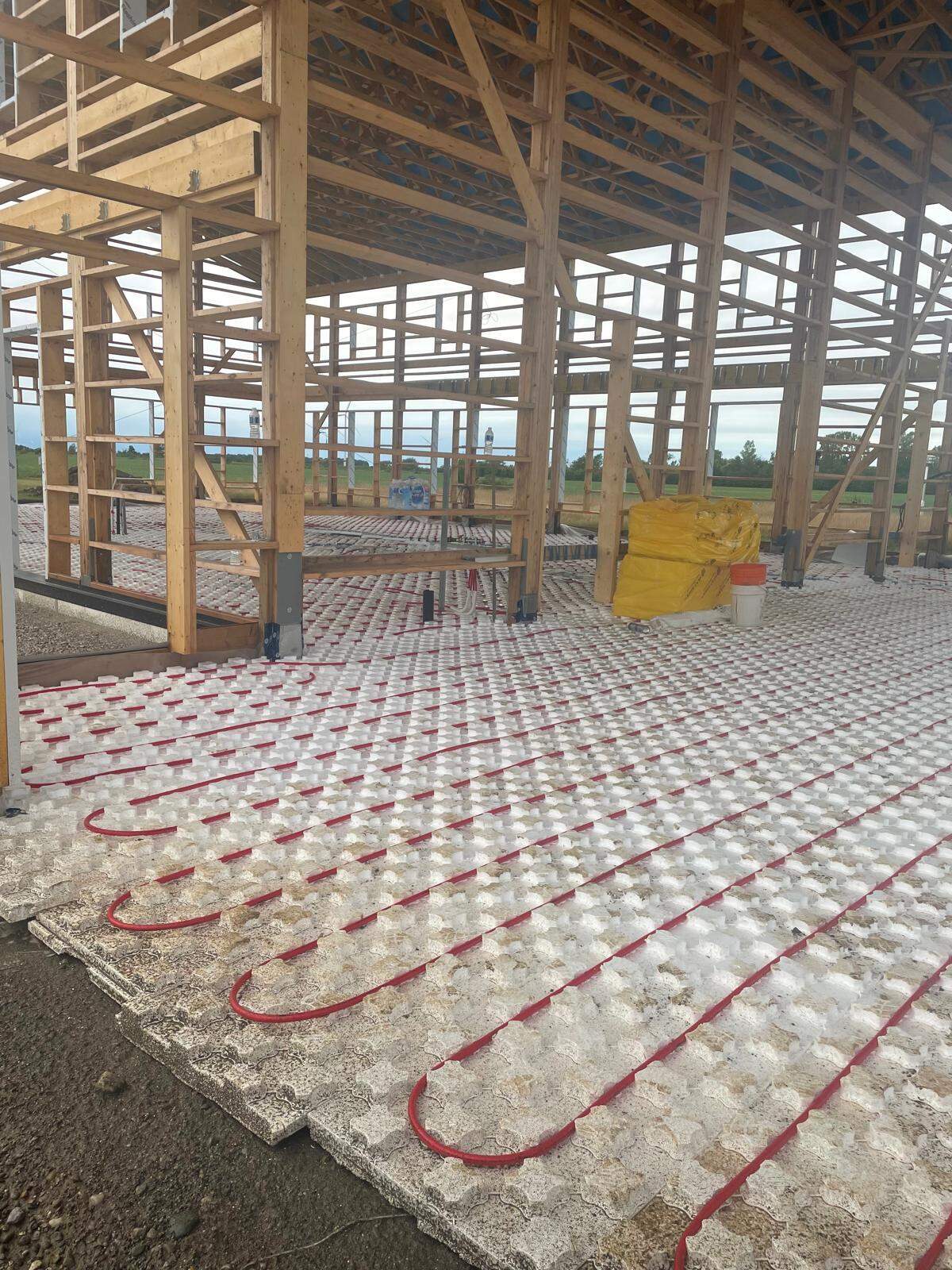
- Post-frame: Large wood posts spaced 8'–12' apart, embedded in the ground or set on concrete piers, with horizontal girts carrying the exterior cladding. Originally an agricultural building method, now the default for residential barndominiums.
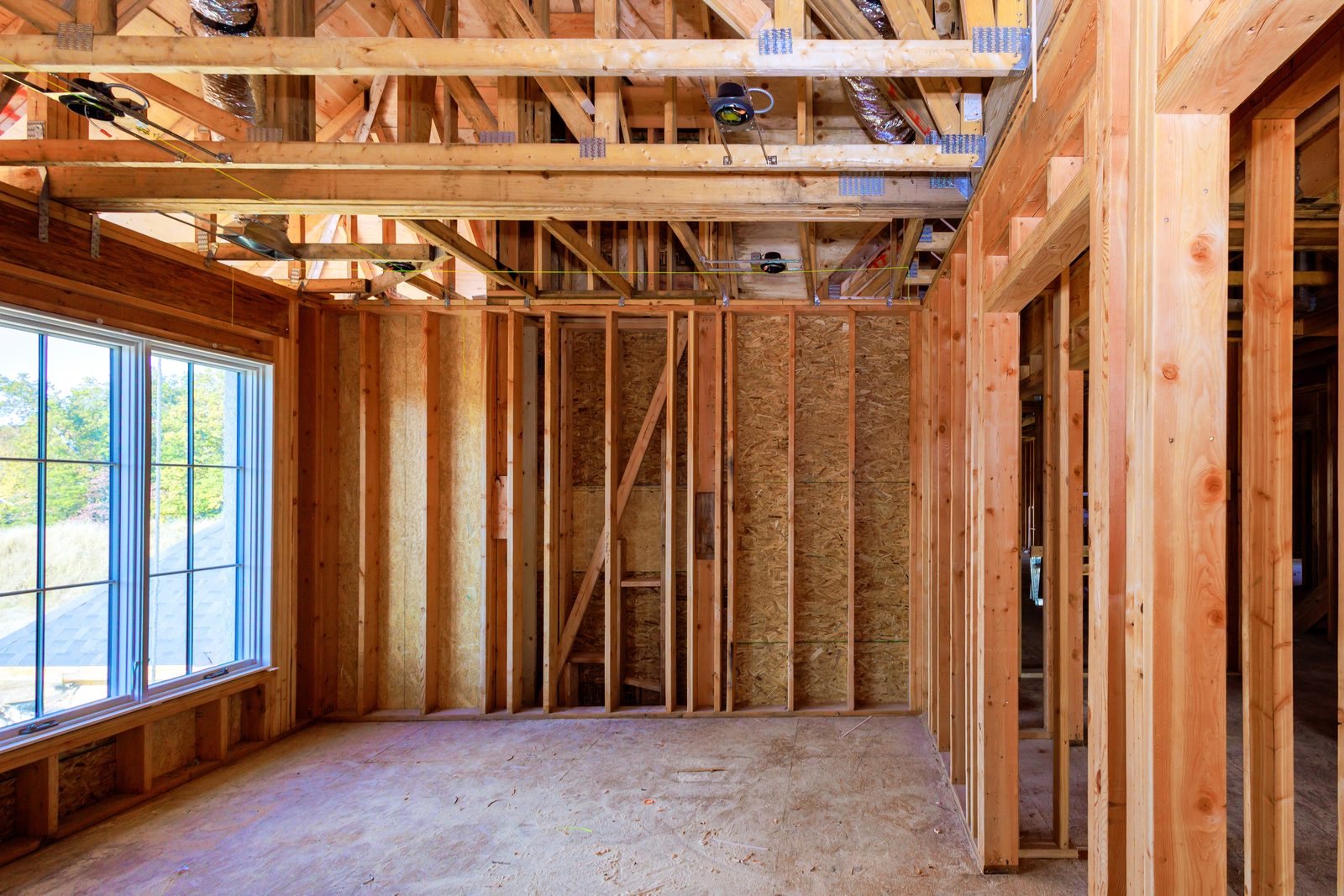
- Stick-frame: Dimensional lumber (2x4s or 2x6s) spaced 16" or 24" on center — the framing method used in almost every conventional Canadian house.
- Steel-frame: Prefabricated rigid steel frames (red iron) or light-gauge steel studs, usually supplied as part of a barndominium kit. Common on larger shop-house builds where clear span and fire resistance matter.
Post-Frame (Pole Barn) Framing
Pros
- Lowest shell cost — fewer structural members and less labour than stick-frame or steel
- Wide clear spans — 40'+ without interior load-bearing walls, ideal for shop bays and open living areas
- Fast shell erection — a post-frame shell can go up in days
- Open floor plans — no interior structural walls to work around
- Natural fit for metal cladding — steel panels attach directly to the girts
Cons
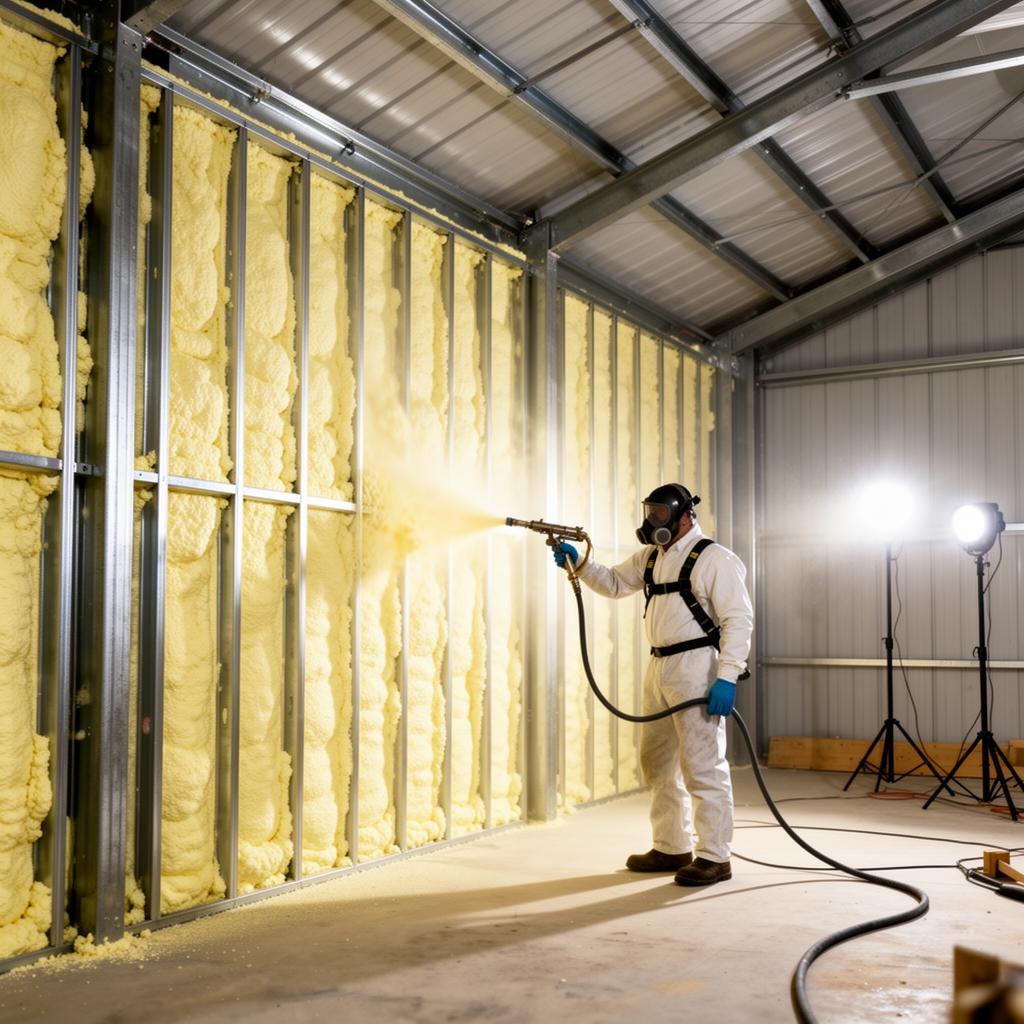
- Insulation is more work — spray foam or rigid board between girts, not a simple stud-cavity fill
- Vapour control is critical — metal cladding traps moisture differently than siding, and getting this wrong causes rot
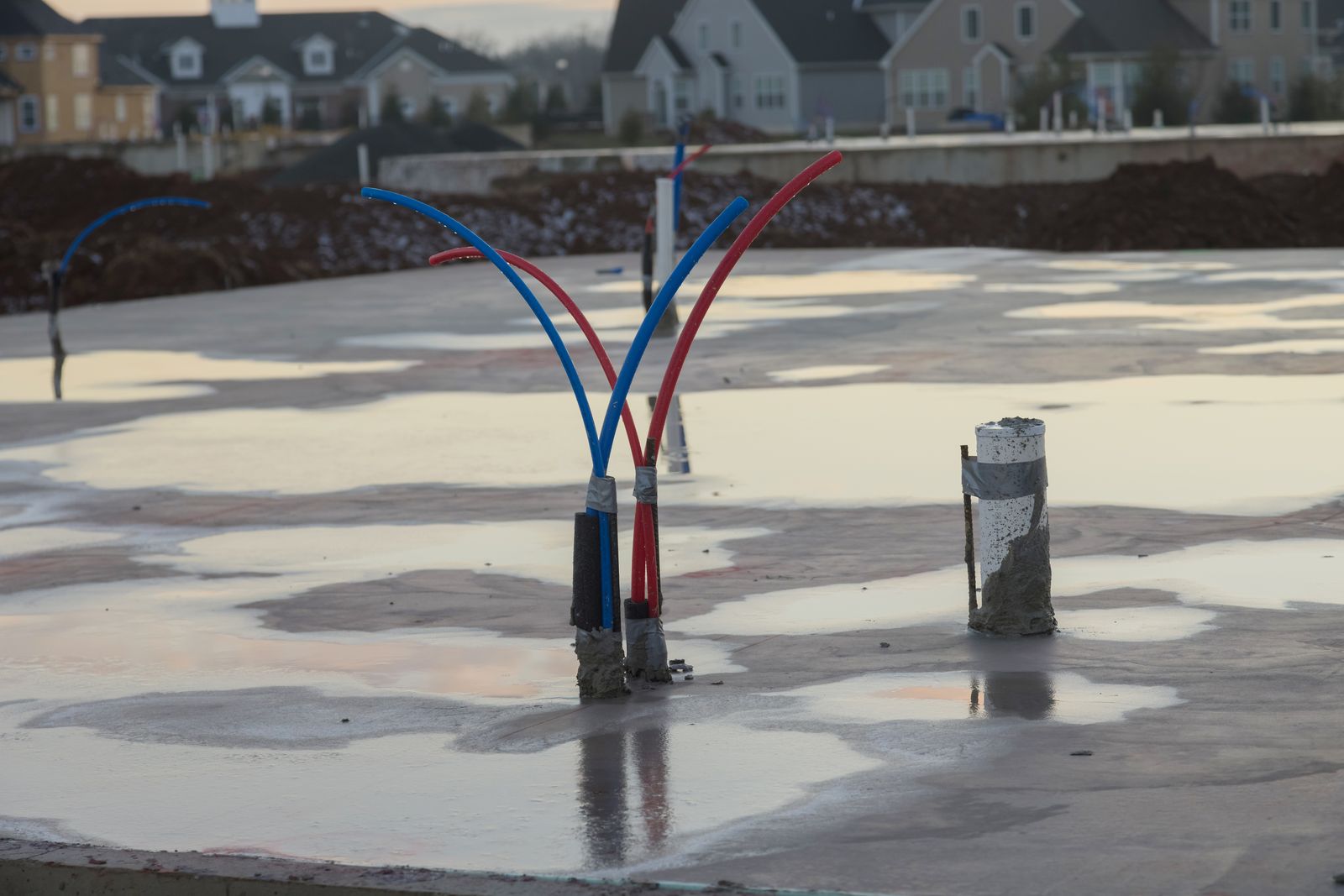
- Foundation coordination — embedded posts or concrete piers need to be placed precisely before or during the slab pour
- Fewer experienced contractors — not every GC has built a residential post-frame home
- Financing can be harder — some lenders don't recognize post-frame as standard residential construction
Stick-Frame (Conventional Wood) Framing
Pros
- Every contractor knows it — no need to find a specialist
- Straightforward insulation — standard batt or blown-in insulation fits between studs
- Proven with lenders — banks and CMHC have no trouble financing stick-frame construction
- Established code path — building inspectors know exactly what to look for
- Easy to modify later — renovations and additions are simpler than with post-frame or steel
Cons
- Highest shell cost per square foot for large, open structures
- Limited clear spans — interior bearing walls are typically needed every 20', which constrains open floor plans
- Slower to build — many more individual pieces and labour hours than post-frame
- Less natural fit for metal exteriors — barn-style steel cladding requires extra furring and detailing
Steel-Frame (Red Iron / Rigid Frame) Framing
Pros
- Longest clear spans of the three — rigid steel frames can clear-span 60'+ without interior columns, which matters for large shop bays
- Non-combustible structure — a real advantage for insurance and for shop-house builds with welding, vehicles, or fuel storage
- Precision-engineered — kit components are shop-fabricated to exact tolerances, which speeds erection
- Doesn't rot, warp, or attract pests — no wood to maintain in the structural frame itself
Cons
- Higher shell cost than post-frame — steel fabrication, freight, and crane time add up, especially on smaller footprints
- Thermal bridging — steel conducts heat and cold straight through the frame, so a proper thermal break and continuous insulation layer are non-negotiable in Canadian climates
- Condensation risk without careful detailing — same underlying issue as post-frame's metal cladding, amplified because the frame itself is metal
- Specialized erectors — steel-frame kits are usually installed by the kit supplier's own crew or a certified installer, not a general framing crew
Cost Comparison
For a 2,000 sqft barndominium in rural Canada:
- Post-frame shell: $80,000–$120,000 ($40–$60/sqft)
- Steel-frame shell: $100,000–$160,000 ($50–$80/sqft)
- Stick-frame shell: $120,000–$180,000 ($60–$90/sqft)
- Post-frame, fully finished: $150–$250/sqft all-in
- Steel-frame, fully finished: $170–$280/sqft all-in
- Stick-frame, fully finished: $180–$300/sqft all-in
These are planning-stage ranges. Site conditions, finish level, and local labour rates move the actual number — use the cost estimator for a range specific to your build.
How to Choose
- Need a wide-open shop bay or great room? Post-frame or steel-frame. Stick-frame's 20' bearing-wall spacing will force compromises on layout.
- Storing fuel, running welding equipment, or housing vehicles in the same building as living space? Steel-frame's non-combustible structure is worth the premium — talk to your insurer before you commit to any framing style if this applies to you.
- Tight budget and a straightforward rectangular footprint? Post-frame wins on cost almost every time.
- Worried about financing or resale? Stick-frame is the safest bet — appraisers and lenders default to it. Post-frame financing has improved but isn't universal; confirm with your specific lender before you design around it. See our financing guide for what to ask.
- Building in a cold climate zone? All three can perform well, but post-frame and steel-frame both require more deliberate insulation and vapour-control planning than stick-frame's simple stud-cavity fill. Budget for it up front rather than discovering the gap after the shell is up.
- Doing some of the work yourself? Stick-frame has the largest pool of tradespeople and DIY documentation. Post-frame is manageable for an experienced owner-builder. Steel-frame kits are typically installed by the supplier's own crew, which limits your DIY options on the structure itself but simplifies the erection process.
The Bottom Line
No single framing style is "best" — each is the right answer for a different combination of budget, span requirements, and risk tolerance. Post-frame is the default for a reason: it's the cheapest way to get a large, open barndominium shell up fast. Steel-frame earns its premium when clear span or fire resistance is a real requirement, not just a preference. Stick-frame remains the safest choice when financing, resale, and code familiarity matter more than shell cost.
Many barndominiums actually blend approaches — a post-frame or steel shell with stick-framed interior partition walls for plumbing chases and closets. Whichever structure you choose, the mechanical planning has to happen before the slab is poured, not after the frame goes up.
Not sure which framing style fits your build? IronField's pre-pour checklist walks through slab, mechanical, and structural coordination for all three framing types — see also our deeper post-frame vs. stick-frame comparison for mechanical planning differences between those two.
Not every contractor builds every framing style well. Find a builder who specializes in the one you've chosen.