The Insulation Problem Metal Buildings Create
Wood-frame homes are forgiving. Metal buildings are not. Steel panels conduct heat 400x faster than wood, which means your insulation strategy isn't just about comfort — it's about preventing condensation that rots your building from the inside.
In a barndominium, vapor drive is the enemy. Warm, moist interior air hits cold steel and condenses. Get insulation wrong and you'll see dripping walls, mold behind drywall, and rusted panel fasteners within 2-3 years.
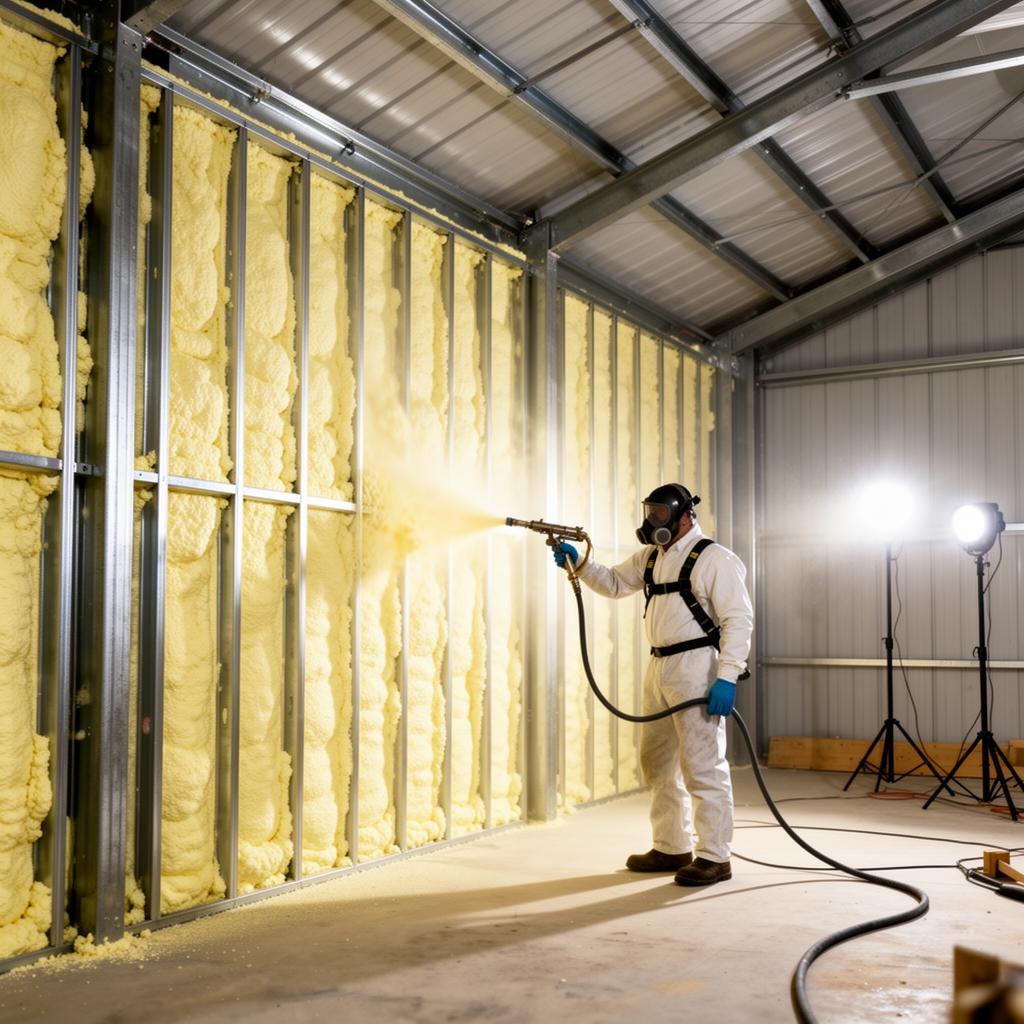
Closed-Cell Spray Foam: The Gold Standard
Closed-cell spray foam is the default recommendation for barndominiums, and for good reason:
- R-value: 6.5-7.0 per inch — the highest of any common insulation
- Vapor barrier: Closed-cell foam at 2" thickness is a Class II vapor retarder — no separate poly sheet needed
- Air sealing: Expands to fill every gap, seam, and fastener penetration in the metal panel
- Structural: Adds racking strength to wall panels — meaningful in high-wind areas
The catch: Cost. Closed-cell spray foam runs $1.50-$2.50 per board foot installed. A 2,400 sq ft barndominium with 10' walls and cathedral ceiling can hit $15,000-$25,000 for foam alone.
Open-Cell Spray Foam: The Budget Alternative
Open-cell foam costs roughly half as much as closed-cell but comes with trade-offs:
- R-value: 3.5-3.8 per inch — you need 5-6" to match 3" of closed-cell
- Vapor permeability: Open-cell is vapor-permeable, meaning moisture can pass through. In cold climates, you must add a vapor retarder on the warm side
- No structural benefit: Open-cell is soft and adds no racking strength
- Best use case: Mild climates (Zone 3-4) where condensation risk is lower and you have deep wall cavities to fill
Fiberglass Batts: When They Work and When They Don't
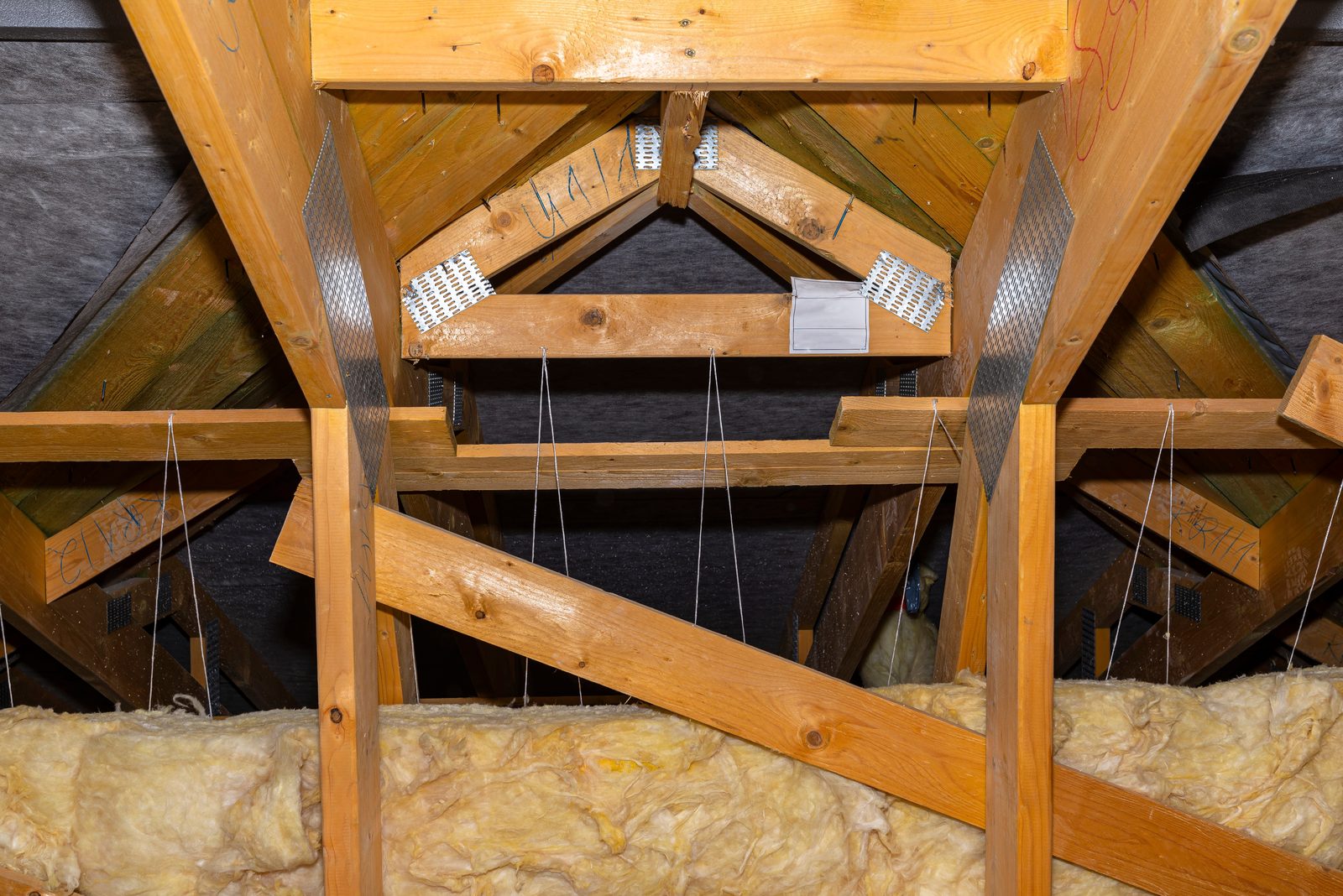
Batts are the cheapest option but the most dangerous in metal buildings:
- Condensation risk: Batts don't air-seal. Warm air bypasses the insulation and hits cold steel, causing condensation behind the batts where you can't see it
- Acceptable scenario: Batts between wood-framed interior walls with a continuous vapor barrier on the warm side AND a ventilated air gap between the batts and the metal panel
- Never do this: Don't stuff batts directly against metal panels with drywall over them. This traps moisture and guarantees mold
The Hybrid Approach
Many successful barndominiums use a hybrid strategy:
- 2" closed-cell spray foam directly on the metal panels — this handles vapor drive, air sealing, and thermal bridging
- Fiberglass batts in the remaining wall cavity depth for additional R-value at lower cost
- Total wall assembly: R-13 (foam) + R-13 (batts) = R-26 for roughly 60% of the all-foam cost
Climate Zone Recommendations
- Zones 1-3 (Southern US): Open-cell foam or hybrid approach works well. Condensation risk is lower but still plan for summer vapor drive (outside-in)
- Zones 4-5 (Central): Closed-cell foam or hybrid. You need a reliable vapor strategy for both heating and cooling seasons
- Zones 6-7 (Northern US / Canada): Closed-cell foam minimum 3" on all exterior surfaces. Do not rely on batts alone in these climates
The rule is simple: In a metal building, air sealing and vapor management matter more than R-value. A perfectly air-sealed R-20 wall outperforms a leaky R-30 wall every time.
Insulation strategy interacts with your HVAC sizing and vapor barrier plan — a design review checks that these systems are actually coordinated, not just individually correct.